Car Interior Materials & Mold: Cleaning, Risks & Prevention
How to Remove Mold from Car Fabric & Upholstery
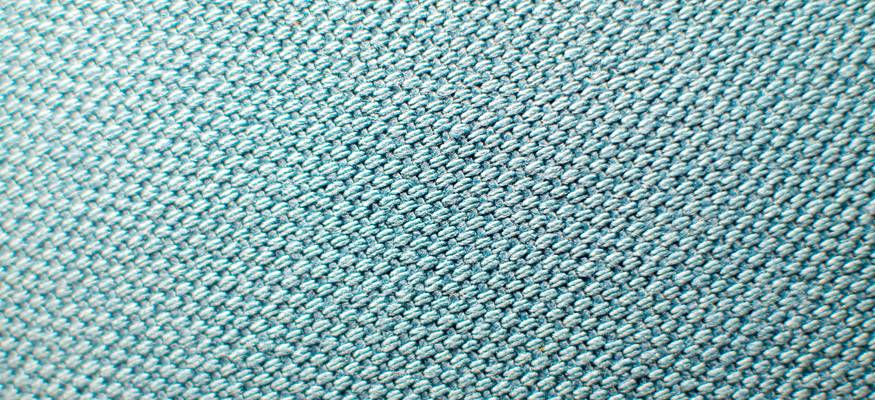
Fabric seats and upholstery are the most common places for mold to grow in cars. Their porous, absorbent fibers trap moisture and organic material, making them highly vulnerable after spills, leaks, or high humidity.
- Look for musty odors, discoloration, or fuzzy/spotty patches (black, green, white, or orange).
- Check seams, seat crevices, and under removable covers.
- Wear gloves and an N95 mask. Ventilate the car fully.
- Vacuum loose spores using a HEPA vacuum.
- Mix an enzyme cleaner or dedicated antimicrobial upholstery spray.
- Scrub affected areas with a soft brush. Avoid soaking the fabric to prevent mold spreading deeper.
- Blot excess moisture with microfiber towels.
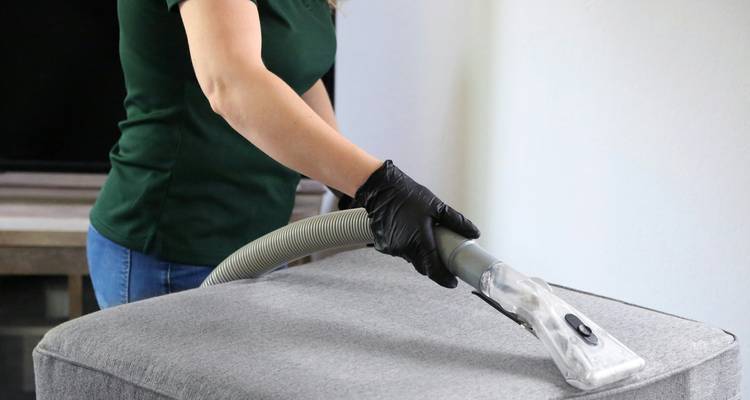
- Let dry in direct sunlight or use a wet-dry vac for deep extraction.
Cleaning Mold from Leather Car Interiors
Leather is less porous than fabric but still vulnerable to mold due to micro-cracks and natural oils. Mold can cause staining, odor, and permanent damage if not addressed quickly.
- Check for light powdery or fuzzy spots, often white or greenish, on seams and in stitching.
- Leather with visible cracking or dryness is most at risk.
- Wipe with a dry microfiber cloth to remove loose spores.
- Mix a gentle solution: mild soap and warm water, or a leather-safe antimicrobial product.
- Lightly dampen a cloth and wipe affected areas—never saturate leather.
- Dry fully with a clean towel. Leave doors open for air flow.
- Apply leather conditioner after cleaning to restore suppleness.
Cleaning Mold from Vinyl Car Surfaces
Vinyl is less susceptible to deep mold growth, but mold can still grow on the surface—especially in seams, cracks, and under seat cushions.
- Look for black, gray, or greenish film, especially around edges and under mats.
- Surface mold wipes off more easily but can return if moisture persists.
- Use a vinyl-safe cleaner or a mix of mild dish soap and water.
- Scrub gently with a soft cloth; avoid harsh abrasives which can scratch.
- Rinse and wipe dry. Inspect seams for hidden residue.
Best Way to Clean Mold from Car Carpet
Carpet is a high-risk material, trapping water from shoes, spills, and leaks. Mold can quickly spread underneath, especially after flooding.
- Check for musty odors, discoloration, and dampness under mats and seats.
- Carpet backing and padding are often affected before mold appears on top.
- Remove seats and mats for full access if possible.
- Vacuum thoroughly with a HEPA vacuum.
- Use an enzyme or antimicrobial carpet cleaner. Scrub affected areas.
- Use a wet-dry vac or extraction tool to remove excess moisture.
- Dry completely in sunlight or with fans/dehumidifier. Replace padding if odor or mold persists.
Is Mold in Car Foam Dangerous?
Foam padding—under seats, inside cushions, in headrests—absorbs and retains moisture, making it a hidden danger for mold. Mold in foam can cause persistent smells and health risks.
- Foam often remains damp long after surface cleaning is done.
- Musty odor that won't go away is a key sign of hidden mold in foam.
- If foam is saturated or smells strong, it's best to replace it entirely—cleaning rarely removes all spores.
- For light surface mold: remove foam, spray with enzyme cleaner, blot dry, and air out in sunlight.
- Check surrounding materials for moisture or spread.
Comparison Table: Vulnerabilities & Cleaning Methods
| Material | Vulnerability | Best Cleaning Method | Prevention Tips |
|---|---|---|---|
| Fabric/Upholstery | Very High Porous, retains moisture |
Vacuum, enzyme cleaner, wet-dry vac | Seat covers, dry spills fast, airflow |
| Leather | Medium Cracks, natural oils |
Wipe with mild soap, condition after | Conditioning, silica packs, climate control |
| Vinyl | Low/Medium Surface mold, seams |
Soap/water, vinyl cleaner, gentle scrub | Keep dry, inspect seams, wipe after spills |
| Carpet | Very High Absorbs, hard to dry |
Remove, enzyme clean, wet-dry vac, dry in sun | Waterproof mats, check leaks, vacuum often |
| Foam | Extreme Hidden, hard to clean |
Replace if saturated; surface enzyme clean | Moisture barriers, inspect after leaks |