Mold Remediation: Steps for Safe and Effective Removal
Mold remediation is a critical process—one that protects your health, your home, and your investment. Mold isn't just an eyesore; it can threaten indoor air quality, cause allergic reactions, trigger respiratory problems, and lead to costly structural repairs if left unchecked.
Ignoring mold growth allows it to spread. Even a small patch can signal much larger hidden problems lurking within walls, under flooring, or inside HVAC systems. Early, thorough remediation is essential to avoid persistent regrowth, chronic health symptoms, and long-term property damage.
This guide is for homeowners, renters, landlords, and anyone facing mold problems in houses, cars, apartments, attics, or basements. Whether you want to tackle a small job yourself or need to know when to call a professional, you'll find in-depth, actionable steps and scenario-specific advice here.
Why Mold Remediation Matters
- Health Protection: Mold spores can trigger allergies, asthma, and immune reactions—especially in children, elderly, and those with chronic illness. Learn more about mold health risks.
- Preventing Property Damage: Mold weakens drywall, wood, insulation, and can cause stains, odors, and rot—eroding property value and leading to expensive repairs.
- Stopping Spread: Mold can quickly colonize new areas, especially after leaks or flooding. Prompt, complete remediation is the only way to break the cycle.
- Insurance & Compliance: Many insurance policies require prompt action, and landlords are often legally obligated to address mold for tenants. See insurance guidance.
When is Mold Remediation Needed?
- Visible mold growth on walls, ceilings, floors, or belongings
- Musty, persistent odors in any room, attic, basement, or vehicle
- After leaks, flooding, or water intrusion in the past 12 months
- Unexplained allergy or respiratory symptoms indoors
- Finding mold in HVAC, under carpets, or behind baseboards
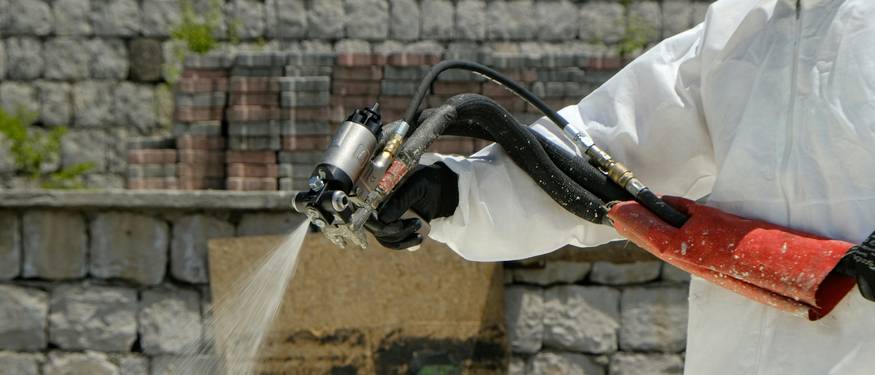 Proper remediation protects your health and home from recurring mold problems.
Step-by-Step Mold Remediation Process
- Inspect for visible and hidden mold: discoloration, fuzzy or slimy spots, musty odors.
- Check damp areas: bathrooms, basements, under sinks, inside cars, attics, HVAC vents.
- Use a flashlight along seams, and consider a moisture meter for hidden dampness.
- Document the extent—take photos and notes for your records or insurance.
- Map out all affected areas before proceeding. Full identification guide.
- Seal off doors, vents, and openings with thick plastic sheeting and painter’s tape.
- Turn off HVAC systems to stop spores from circulating.
- For cars: Close all windows and isolate contaminated sections.
- Minimize disturbance of mold before you’re ready to remove it.
- Warn household members and keep pets/kids away. Containment tips.
- Wear PPE: Gloves, N95 mask, goggles, long sleeves, and disposable coveralls.
- Remove and discard porous materials with deep mold penetration:
- Drywall, ceiling tiles, insulation, carpet, cardboard—cut at least 12 inches beyond visible growth.
- For non-porous surfaces (tile, glass, metal): Scrub thoroughly with detergent, then disinfect with EPA-registered cleaner, white vinegar, or diluted hydrogen peroxide.
- Double-bag all contaminated debris and seal before carrying through the building.
- Use a HEPA vacuum or air purifier to capture airborne spores during and after removal.
- Walls & ceilings | Furniture | Common Mistake: Trying to salvage water-damaged drywall or carpet—replace instead to stop regrowth. Never mix bleach with ammonia or other chemicals.
- Clean all remaining surfaces with diluted bleach (1 cup per gallon water), EPA-registered product, or white vinegar. Never mix chemicals.
- Use disposable cloths or brushes—discard after use.
- After cleaning, run fans and dehumidifiers until all surfaces are dry to the touch and moisture readings are below 16%.
- Inspect again for missed spots. Repeat cleaning if needed.
- Document completion with photos and notes for your records or insurance.
- Bathrooms | Cars
- Fix all sources of moisture: leaks, condensation, drainage issues, or faulty appliances.
- Maintain indoor humidity below 50%—use dehumidifiers as needed.
- Promote airflow: open windows, use exhaust fans, move furniture away from exterior walls.
- Inspect vulnerable areas regularly—attics, basements, under sinks, cars, and closets.
- Consider mold-resistant paints and materials for ongoing protection.
- Full prevention guide | Attics
- Remediation methods vary based on location and material:
- Home, Car, Attic/HVAC, Furniture, Basement
- Porous vs. Non-Porous Materials:
- Porous (drywall, insulation, carpet): Remove and replace if affected.
- Non-porous (tile, metal, glass): Clean and disinfect thoroughly.
- Vehicles: Remove seats, carpets if needed, treat HVAC/cabin filter. Car guide
- Scenario-specific guides help prevent regrowth and avoid costly mistakes.
Common Mold Remediation Mistakes
- Trying to clean mold with just soap and water—disinfectants are needed.
- Painting or caulking over mold without removal.
- Failing to address the moisture source—mold will return.
- Not using proper protective equipment (PPE).
- Attempting to salvage contaminated carpet, drywall, or insulation.
- Underestimating the hidden spread—mold may extend beyond what you can see.
- Not drying the area completely after cleaning.
When to Call a Professional
- Large infestations (>10 sq. ft. or multiple rooms)
- Mold in HVAC systems, attics, crawl spaces, or behind walls
- Persistent regrowth after previous cleaning
- Mold caused by sewage or contaminated water
- Allergy, asthma, or chronic illness in household members
- Legal, insurance, or real estate documentation needs
- Uncertainty about safe removal methods, or if you lack PPE