Attic Mold Remediation: Safe Removal and Prevention Guide
Attics are one of the most common places for hidden mold in homes—poor ventilation, roof leaks, and forgotten insulation make them a prime target. Left unchecked, attic mold can damage your home’s structure, reduce property value, and even impact indoor air quality. This guide walks you through how to remove attic mold safely, when to call a professional, and the best long-term attic mold prevention tips so your home stays healthy.
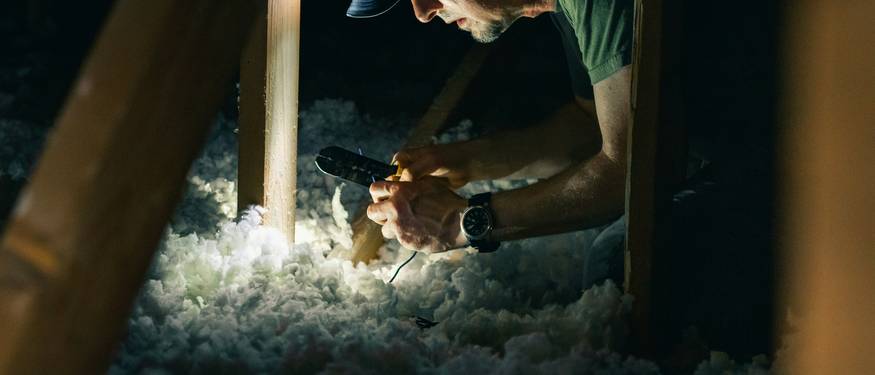
Step 1: Inspection – How to Spot Signs of Mold in Attic Spaces
Attic mold often goes unnoticed until it spreads. Early identification is key. Here’s how to check for attic mold:
- Visual clues: Dark or discolored patches on rafters, sheathing, insulation, or around vents.
- Odors: Musty or earthy smells, especially after rain or high humidity.
- Hidden areas: Mold often grows under insulation, behind stored boxes, or near roof penetrations.
- Moisture signs: Water stains, damp insulation, or condensation on wood and nails.
Pro Tip: Use a bright flashlight and a moisture meter to check problem spots—readings above 16% moisture indicate a risk for mold.
Step 2: Safe Removal – DIY Attic Mold Remediation Steps
Small, accessible attic mold problems (<10 sq. ft.) can often be tackled by homeowners. Larger or hidden mold should be handled by professionals. Always prioritize safety:
- Wear PPE: N95 respirator, gloves, goggles, and disposable coveralls.
- Contain the area: Seal attic entry with plastic sheeting to prevent spores spreading to the rest of your home.
- Remove loose debris: Bag any moldy insulation, cardboard, or trash for disposal.
- Clean surfaces: Scrub wood and hard surfaces with a mold-killing cleaner (EPA-registered) or a solution of 1 cup bleach per 1 gallon water. Never mix with ammonia or use straight bleach on porous wood.
- Dry thoroughly: Use fans or dehumidifiers to dry all surfaces after cleaning.
Pro Tip: If you see extensive mold on wood framing or your attic is hard to access, call a professional. Improper cleaning can spread spores and damage insulation.
Step 3: Attic Insulation Mold Removal Guide
Moldy insulation is nearly impossible to clean and should always be removed and replaced:
- Remove contaminated insulation: Wear PPE and bag all moldy batts, blown-in, or foam. Double-bag for disposal.
- Check wood underneath: Clean and dry rafters and decking before new insulation is installed.
- Choose mold-resistant products: Consider insulation types less prone to mold, such as closed-cell spray foam or fiberglass with vapor barriers.
Pro Tip: Learn more about safe removal and replacement of contaminated materials in our home guide.
Step 4: Restore Proper Attic Ventilation to Prevent Mold Growth
Most attic mold is caused by poor airflow. Improving ventilation is one of the most effective attic mold prevention tips:
- Install/repair vents: Ensure ridge vents, soffit vents, and gable vents are open and unobstructed.
- Add baffles: Maintain clear pathways for air above insulation to the roof deck.
- Inspect bathroom/kitchen fans: Never vent humid air into the attic; always direct it outside.
- Look for condensation: Water on rafters or nails means more airflow is needed.
Step 5: Long-Term Attic Mold Prevention
Once remediation is complete, take steps to keep mold from returning:
- Seal roof leaks: Fix missing shingles, flashing, or any signs of water intrusion immediately.
- Control humidity: Keep attic humidity below 50%—use sensors to monitor over time.
- Schedule seasonal checks: Look for new stains, musty odors, or condensation every spring and fall.
- Maintain ventilation: Clear blockages and test fans regularly.
Pro Tip: Explore our prevention strategies guide for a complete seasonal attic inspection checklist.
Frequently Asked Questions: Attic Mold Remediation
Attic mold is often the same species found elsewhere in homes, such as Aspergillus, Cladosporium, or Penicillium. However, because attics are less frequently visited, mold can go undetected and become widespread. Spores from attic mold can contaminate indoor air if HVAC or ceiling leaks occur. Prompt remediation is important for health and to prevent structural damage.
Yes, attic mold can return if the root causes—especially moisture and poor ventilation—are not addressed. Even after thorough cleaning, persistent leaks, blocked vents, or humid conditions create the perfect environment for regrowth. Regular inspections and humidity control are essential for long-term prevention.
If insulation is visibly contaminated with mold or has a musty odor, it should always be removed and replaced. Moldy insulation cannot be cleaned effectively, and leaving it in place increases the risk of spores spreading or returning. After cleaning and drying the attic structure, install new, preferably mold-resistant insulation.
Mold in attics is most often caused by a combination of moisture (roof leaks, condensation), inadequate ventilation, and improper venting of bathroom or kitchen fans into the attic. Attics that stay humid or damp create ideal conditions for mold growth on wood, insulation, and even stored items.