Types of Mold: Guide to Common Indoor Species
Black Mold (Stachybotrys chartarum)
Black mold is the most infamous indoor mold due to its dark appearance and association with severe health symptoms. However, not all dark molds are Stachybotrys chartarum—accurate identification is key. Black mold thrives in areas with persistent moisture, such as after flooding or leaks, and is usually slimy or slightly greenish-black when wet.
- Color: Dark black or very dark green; may look slightly slimy
- Texture: Slimy, wet, or slightly fuzzy when dry
- Common Locations: Water-damaged drywall, wood, ceilings, behind wallpaper
- Health Risks: Can trigger respiratory issues, fatigue, headaches, and—rarely—serious complications with heavy, chronic exposure
- Spotting Guide: Grows in spots that stay wet for at least a week; often found after leaks or floods, especially if drying was delayed
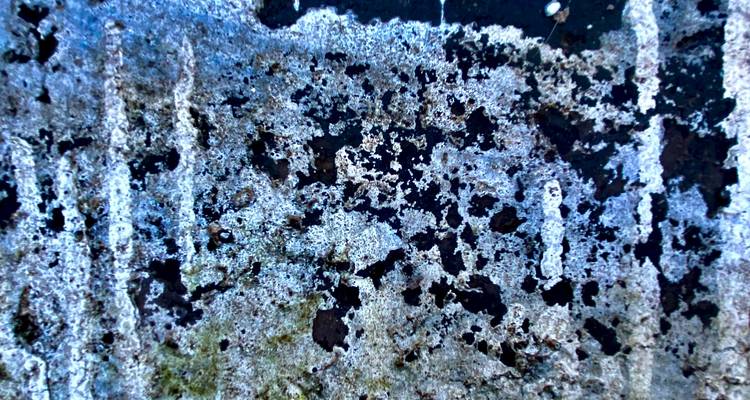
Aspergillus
Aspergillus is one of the most common indoor molds, with more than 100 different species. It typically appears powdery or dusty, in a range of colors from yellow-green to gray, brown, or black. Aspergillus spores are everywhere, but large colonies signal a moisture problem.
- Color: Yellow-green, gray, brown, black, or white (depends on species)
- Texture: Powdery, dusty, or velvety
- Common Locations: HVAC systems, insulation, damp walls, food, carpets
- Health Risks: Can trigger allergies, asthma, sinus infections; some species produce toxins (rare indoors)
- Spotting Guide: Look for dry, powdery patches on surfaces that look yellow-green, especially around vents or damp corners
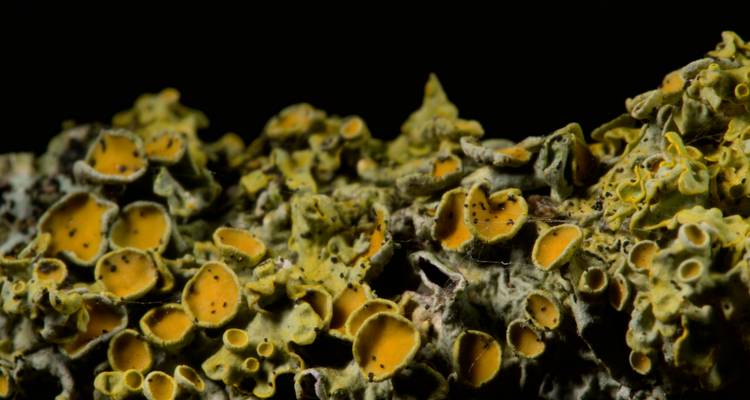
Penicillium
Penicillium is best known as the mold that gave us penicillin, but indoors, it grows rapidly on water-damaged materials. It’s often blue, green, or white, and spreads in fuzzy, velvety patches. Penicillium can colonize quickly after leaks or flooding—and sometimes gives off a strong musty odor.
- Color: Blue, blue-green, green, or white
- Texture: Fuzzy, velvety, or powdery
- Common Locations: Carpets, wallpaper, mattresses, food, drywall, under sinks
- Health Risks: Allergies, asthma, sinus issues; some species may produce toxins
- Spotting Guide: Look for rapidly spreading blue-green fuzzy patches after water damage, especially on fabrics or drywall
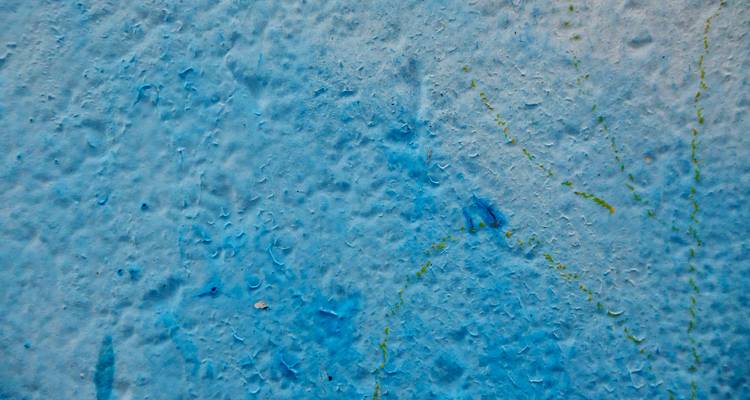
Cladosporium
Cladosporium is one of the most widespread molds in both outdoor air and homes. It typically appears as dark olive-green to black, with a suede-like or powdery texture. It thrives in cool, damp areas and commonly grows around windows, on wallpaper, and inside HVAC systems.
- Color: Olive-green, brown, or black
- Texture: Suede-like, powdery, or slightly fluffy
- Common Locations: Window frames, bathrooms, air conditioners, basements
- Health Risks: Allergies, asthma, sinus problems—especially with airborne spores
- Spotting Guide: Look for dark, patchy growth on window sills, shower curtains, or inside AC units

Alternaria
Alternaria is often found in bathrooms, kitchens, and other damp areas where water is present. It grows rapidly, forming dark green, brown, or gray patches with a velvety or fuzzy appearance. Alternaria spores become airborne easily and are a common trigger for allergies.
- Color: Dark green, brown, gray
- Texture: Velvety, fuzzy, or slightly woolly
- Common Locations: Showers, bathtubs, leaky sinks, windows, under carpets
- Health Risks: Allergic reactions, asthma attacks (especially in sensitive individuals)
- Spotting Guide: Rapidly spreading, dark fuzzy patches in bathrooms or on damp wood and fabric

Frequently Asked Questions: Types of Mold
- Identifying Mold in Your Home – Learn key signs, symptoms, and testing methods for all mold types.
- Mold Remediation Steps – Step-by-step protocols for safe removal and prevention.
- Health Effects of Mold Exposure – Understand the risks and symptoms of different indoor molds.