Identifying Mold: Signs, Symptoms & Testing
Identifying mold early is essential for protecting your health, safeguarding your home, and ensuring effective remediation. Mold can cause respiratory issues, trigger allergies, and quietly damage property—often before you see visible signs. This comprehensive guide shows you exactly how to identify mold in your home, recognize hidden mold, and determine when to seek professional help.
Common Visible Signs of Mold
Color
- Black (most common indoors)
- Green
- White
- Orange, pink, brown, purple, or gray (sometimes appear, depending on species and surface)
Texture
- Fuzzy
- Slimy
- Powdery or velvety patches
- May look raised or flat; often grows in irregular shapes
Typical Locations
- Bathrooms: tiles, grout, ceilings, around tubs and sinks
- Basements: walls, floors, behind boxes or furniture
- Kitchens: under sinks, around refrigerators, windowsills
- Window sills and frames
- HVAC vents, ducts, and around air conditioners
- Closets, laundry rooms, crawl spaces
Mold vs. Stains: Mold usually returns after cleaning if moisture remains. Dirt or food stains do not.
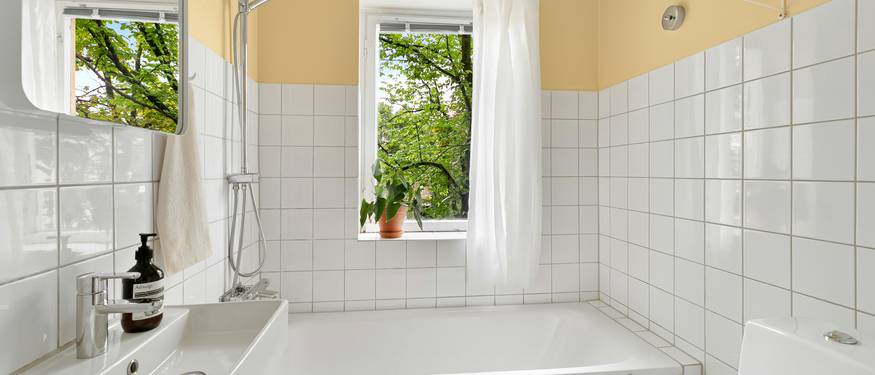 Mold often appears in damp areas: bathrooms, kitchens, basements, and around windows.
Signs of Hidden Mold in Walls & Other Areas
Not all mold is visible. Mold often hides inside walls, under flooring, behind baseboards, or inside HVAC systems. Here are key clues:
- Musty Odors: A persistent, earthy, or musty smell is a classic sign of hidden mold (what does mold smell like?—think damp socks or old books).
- Water Damage Evidence: Look for yellow or brown stains, bubbling or peeling paint, warped drywall or floors, and soft spots—especially after leaks or flooding.
- Common Hidden Locations:
- Inside wall cavities (especially exterior walls and near plumbing)
- Under carpets, laminate, or vinyl flooring
- Behind cabinets, in insulation, or inside attics/basements
- Inside HVAC ducts or under appliances
Pro Tip: Use a flashlight along baseboards and wall seams to spot subtle discoloration, or gently tap for hollow/damp sounds that may indicate mold behind walls.
DIY Limitations: Hidden mold can affect air quality long before you see it. If you notice musty odors, unexplained symptoms, or signs of water damage, consider professional assessment.
Health Symptoms That May Signal Mold Exposure
Mold exposure can cause a wide range of health symptoms—sometimes before visible signs appear. Watch for:
- Respiratory issues: chronic coughing, sneezing, wheezing, or shortness of breath
- Allergy-like reactions: runny nose, itchy eyes, sore throat, sinus congestion
- Headaches or unexplained fatigue
- Skin irritation: rashes or hives
- Worsening asthma or frequent respiratory infections
Who is most at risk? Children, elderly, and those with compromised immune systems are especially sensitive to mold exposure. If multiple household members experience new or worsening symptoms at home, hidden mold may be the cause.
Don’t ignore symptoms: If health issues improve when you leave home, but worsen when you return, investigate for hidden mold—even if you can’t see it.
At-Home Mold Testing Methods
If you suspect mold, several DIY mold test methods can help confirm your suspicions. While these don’t replace professional analysis, they can guide your next steps.
1. Tape-Lift Test
- Press clear tape firmly onto a suspicious spot (surface must be dry).
- Peel off and place the tape sticky-side down on a clear plastic bag or glass slide.
- Inspect under bright light or magnifier for spores/filaments; for lab analysis, mail to a certified facility.
2. Moisture Meter & Humidity Monitoring
- Use a digital moisture meter to check walls, floors, and ceilings. Above 16% moisture can support mold growth.
- Monitor indoor humidity: Ideal is 30–50% RH. Consistent readings above 60% increase mold risk.
- Focus on areas near plumbing, windows, or past leaks.
3. DIY vs. Professional Mold Testing
| Test Method | Strengths | Limitations | When to Use |
|---|---|---|---|
| DIY Tape-Lift or Swab | Quick, inexpensive, confirms presence | Does not identify species; may miss hidden mold | Visible growth, early screening |
| Moisture/Humidity Testing | Finds moisture sources, guides inspection | Doesn’t directly detect spores | All inspections, especially after water damage |
| Professional Air/Surface Testing | Detects hidden mold, identifies species, lab results | Higher cost, requires expertise | Persistent symptoms, legal/insurance, large/hidden damage |
When to call a professional for mold testing: If you suspect hidden mold, have ongoing health issues, or need documentation for remediation, insurance, or legal reasons, an expert assessment is recommended. See steps for mold remediation.
Next Steps: Learn more about types of mold or see our Mold Remediation page for removal protocols after identification.
Frequently Asked Questions: Identifying Mold
No. Mold often grows in hidden places—inside walls, under flooring, or in HVAC systems—where it’s not visible. Musty odors, signs of water damage, or unexplained health symptoms may be your only clues. Learn more about finding and removing hidden mold.
Mildew is a type of mold, typically appearing as flat, powdery gray or white patches on surfaces like shower tiles. Other molds may be fuzzy, slimy, or brightly colored and can grow deeper into materials. Both can cause health issues and should be removed promptly. See our guide to common mold types.
Call a professional if you:
- Have persistent musty odors but can’t locate the source
- Experience ongoing health symptoms at home
- Suspect mold after flooding, major leaks, or water damage
- Need formal documentation for insurance or remediation
- Find large areas (>10 sq. ft.) of visible mold
No. While Stachybotrys chartarum (“black mold”) is notorious for producing toxins, many other types—green, white, orange, or pink—can also cause health problems. Any indoor mold should be removed to protect health and property. Explore common household molds.