Health Effects of Mold Exposure: Risks, Symptoms & Medical Guidance
Why Understanding Mold Health Effects Matters
Mold exposure can have a serious impact on your health—often before you even realize mold is present in your home or workplace. Recognizing the symptoms early is vital for protecting yourself and your family from both short-term and chronic effects.
Mold reproduces by releasing microscopic spores into the air. When inhaled or touched, these spores can trigger a wide range of symptoms—some mild, others more severe. Symptoms may develop rapidly or over weeks and months, making it difficult to connect the dots without clear information.
Who is at risk? Children, elderly, and people with existing health conditions are especially vulnerable to mold-related illness. However, anyone can be affected if exposure is high enough or prolonged.
Ignoring the signs of mold exposure can lead to worsening health, costly remediation, and persistent problems indoors. This guide will help you recognize, track, and respond to mold-related health symptoms so you can take action early.
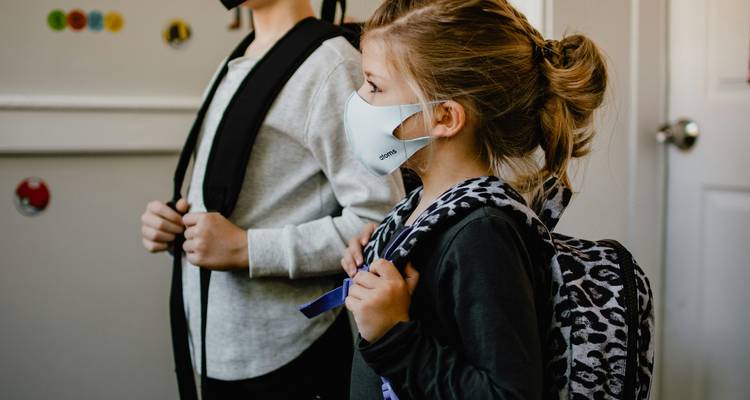 Mold can impact respiratory, allergy, and neurological health—learn the signs and how to protect your household.
How Mold Exposure Affects Your Health
Mold spores are easily inhaled or come into contact with skin, triggering a variety of symptoms. Effects may appear rapidly or develop over time, depending on the type of mold, exposure level, and your health status.
Respiratory Symptoms
Mold spores irritate the airways and lungs, especially in those with asthma or chronic respiratory issues. Common symptoms:
- Chronic coughing or wheezing, especially indoors
- Shortness of breath and chest tightness
- Increased asthma attacks or difficulty breathing
- Frequent sinus or respiratory infections
- Persistent sore throat or hoarseness
If you notice these symptoms worsen at home and improve when away, hidden mold may be the cause. Learn to spot mold in your home.
Allergic Reactions
Mold is a potent indoor allergen, affecting even people without prior allergies. Symptoms can persist year-round indoors.
- Runny or stuffy nose (nasal congestion)
- Itchy, watery, or red eyes
- Frequent sneezing fits
- Sinus pressure or headaches
- Itchy throat or post-nasal drip
- Skin rashes or hives
Symptoms may mimic seasonal allergies but often persist year-round indoors. See common mold types.
Neurological & Cognitive Effects
Some molds produce mycotoxins that can impact the nervous system with prolonged exposure. Possible symptoms:
- Unexplained headaches or migraines
- Difficulty concentrating or memory lapses (“brain fog”)
- Persistent fatigue or lethargy
- Sleep disturbances or insomnia
- Mood changes, anxiety, or irritability
While rare, severe reactions can occur—especially in sensitive individuals. How to spot hidden mold.
Skin & Immune System Effects
Direct contact with mold or its spores can cause skin irritation or worsen immune-related symptoms.
- Red, itchy rashes or hives
- Dry, scaly, or inflamed skin
- Worsening of eczema or dermatitis
- Increased frequency of infections (due to immune suppression)
Skin reactions are often mistaken for eczema or other allergies. Mold exposure can weaken immune defenses over time.
Progression & Severity of Symptoms
Mild symptoms may start as occasional sneezing or coughing, but can progress to chronic respiratory illness or neurological problems if exposure is ongoing. In rare cases, severe allergic reactions or infections can occur, especially in individuals with weakened immune systems.
Tip: Pay attention to when and where your symptoms occur. If multiple people in your household experience similar symptoms indoors, suspect hidden mold even if you don’t see it.
Who is Most at Risk?
While anyone can experience the health effects of mold exposure, certain groups are especially vulnerable. The risks increase with higher mold levels, longer exposure, or underlying health conditions.
Children
Children’s developing immune and respiratory systems make them especially susceptible to mold-related illness. Exposure at home or in schools can lead to chronic coughing, allergies, and worsened asthma. Persistent exposure may impact learning and development.
Elderly
Older adults face increased risks due to weakened immunity and chronic health conditions. Mold exposure can aggravate respiratory and heart problems, and may be overlooked as part of “normal aging.”
Immunocompromised
People with suppressed immune systems (such as those on chemotherapy, with HIV/AIDS, or autoimmune diseases) are vulnerable to severe fungal infections and complications from even low levels of mold exposure.
Scientific Context: The CDC and EPA recognize that mold can cause a wide range of health effects, even among otherwise healthy adults. Symptoms can be subtle and are sometimes misattributed to seasonal allergies or other conditions. Because indoor mold is so common, vigilance and early action are key.
Important: If anyone in your household is at higher risk, monitor for new or worsening symptoms and consider professional mold inspection. See our Identifying Mold guide for more.
When to Seek Medical Help for Mold Exposure
Mold-related symptoms can range from mild to life-threatening. It’s crucial to consult a healthcare provider if you experience:
- Persistent or worsening shortness of breath or wheezing
- Severe coughing that doesn’t improve
- High fever, confusion, or chest pain
- Symptoms that are rapidly getting worse
- Unexplained fatigue, severe headaches, or neurological symptoms
- Infections or symptoms in children, elderly, or immunocompromised individuals
If symptoms improve when you leave the home or workplace, mention possible mold exposure to your doctor. Early intervention can prevent complications.
See a healthcare professional immediately if you have trouble breathing, high fever, or sudden neurological changes. Learn to identify mold in your environment.
Testing and Diagnosing Mold-Related Illness
Accurate diagnosis of mold-related illness can be challenging. Symptoms often mimic other conditions. Use the following steps to help guide your next actions:
1. Track Your Symptoms At Home
- Keep a daily symptom diary—note when symptoms worsen or improve
- Track where you are (home, work, outdoors) when symptoms flare
- Ask if others in your household or workplace have similar issues
2. What Doctors Look For
- Physical exam (lung, skin, sinuses)
- Medical history including environmental exposures (musty odors, water damage)
- Allergy testing or blood tests for mold-specific antibodies
- Imaging (chest X-ray) for persistent symptoms
3. When Medical Testing is Needed
- Symptoms persist after leaving the environment
- There is suspicion of severe infection or lung involvement
- Immunocompromised status or at-risk children/elderly
Tip: Bring a list of symptoms and possible exposures to your doctor. This aids diagnosis and helps determine if environmental testing or remediation is needed. See Mold Remediation Guide.
Frequently Asked Questions: Mold & Health
Yes. Mold can hide in walls, under flooring, and inside HVAC systems—exposing you to spores even when growth isn’t visible. Many people experience health effects (like coughing, allergies, or headaches) before ever spotting mold. Learn how to identify hidden mold.
Symptoms can develop within hours of exposure, especially in sensitive people, or may take weeks to become noticeable. Prolonged exposure increases risk of chronic symptoms. If symptoms improve when you leave home, consider a mold source. See remediation steps.
Stachybotrys chartarum (“black mold”) is known for producing toxins, but many other molds can cause similar health effects. Any indoor mold can be harmful and should be removed promptly. Explore types of mold.
Neurological effects can include headaches, memory problems, brain fog, fatigue, mood swings, and sleep disruptions. These are more common with long-term exposure or in sensitive individuals. Identifying hidden mold and reducing exposure is critical.
Yes, mold exposure can cause rashes, hives, or worsen eczema and dermatitis. These symptoms are common with direct contact or high levels of airborne spores. If skin issues persist and no other cause is clear, suspect mold and inspect your environment. See remediation steps.
Take new or worsening symptoms in children seriously, especially if they include coughing, wheezing, unexplained rashes, or fatigue. Remove the child from the environment if possible and consult a pediatrician promptly. See home mold remediation steps.
If you notice symptoms that improve when you leave home or work, or if others in the same environment have similar issues, mold is a likely culprit. Track symptoms, inspect for mold, and seek professional help as needed. How to identify mold.
Yes, pets can develop respiratory, skin, and behavioral symptoms from mold exposure. Signs may include coughing, sneezing, itching, or lethargy. If you suspect mold is making your pet sick, consult a veterinarian and inspect your home for hidden mold. Learn about home mold remediation.