Mold Prevention Strategies: Keep Mold from Taking Hold
Mold prevention is easier, safer, and far less expensive than remediation. By taking a proactive approach—controlling moisture, ventilating well, cleaning regularly, and choosing the right materials—you can stop mold before it starts. This comprehensive guide covers actionable strategies for every home, vehicle, and living situation.
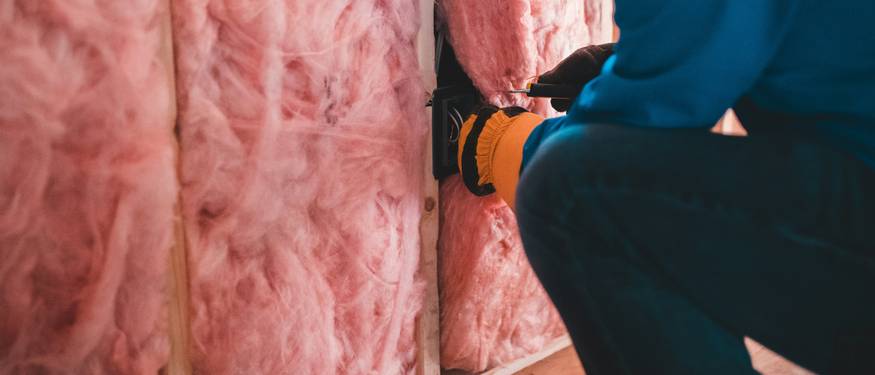
Moisture Control: The Foundation of Mold Prevention
Unchecked moisture is the #1 cause of mold growth in homes, cars, and buildings. The best way to prevent mold is to keep things dry and fix water problems as soon as they appear.
- Fix leaks immediately: Plumbing, roof, window, and basement leaks are leading sources of hidden mold.
- Use dehumidifiers in basements, crawl spaces, and anywhere humidity is high.
- Keep indoor humidity below 50%—ideally between 30–50%. Use a hygrometer to check levels.
- Monitor for hidden moisture: Check under sinks, behind toilets, around windows, and in attics after rain or snow.
- Ventilate after showers and cooking (see next section for tips).
How to Check for Hidden Moisture:
- Use a moisture meter on drywall, wood, or carpet; readings above 16% suggest a problem.
- Look for signs: peeling paint, warped boards, discolored ceilings, or musty odors.
- If you find hidden moisture, dry the area fully and investigate the source.
Already have a moisture problem? See our Home Mold Remediation Guide for what to do next.
Ventilation: Let Your Home (and Car) Breathe
Proper airflow is critical to preventing condensation and discouraging mold. Many problem areas—bathrooms, kitchens, basements—need extra attention.
- Use exhaust fans in bathrooms and kitchens—run them for at least 20 minutes after showers or cooking.
- Open windows regularly to let fresh air circulate (weather permitting).
- Keep furniture a few inches from walls to prevent trapped moisture and allow air movement.
- Basements: Install vents or use a dehumidifier to circulate air.
Car Ventilation Checklist:
- Occasionally crack windows (if safe) to prevent trapped humidity.
- Dry wet mats or upholstery immediately after rain or spills.
- Use car dehumidifiers or desiccant packs in damp climates.
- Run the AC periodically to dry out air ducts.
Learn how to spot the signs of mold caused by poor ventilation in your home or car.
Cleaning Routines: Stop Mold Before It Starts
Regular cleaning removes spores before they can colonize and helps you spot issues early.
- Wipe down wet surfaces in bathrooms and kitchens daily—especially tile, grout, and windowsills.
- Clean drains and sills regularly to prevent buildup.
- Avoid clutter—piles of clothes, papers, or boxes can trap moisture and hide mold.
- Discard water-damaged materials quickly—carpet, cardboard, and drywall are especially vulnerable.
Natural vs. Chemical Cleaning:
- Vinegar works well for non-porous surfaces, but avoid on stone or grout (can etch).
- Hydrogen peroxide is safe for most surfaces and effective on light mold.
- Bleach kills mold on hard surfaces, but doesn’t penetrate porous materials.
- Always ventilate well and never mix chemicals.
Suggested Maintenance Schedule:
| Area | Task | Frequency |
|---|---|---|
| Bathroom | Wipe surfaces, run exhaust fan | Daily |
| Kitchen | Dry sinks/counters, clean fridge pans | Weekly |
| Basement | Check for leaks, run dehumidifier | Weekly |
| Windows/Doors | Check seals, wipe condensation | Weekly |
| Car | Vacuum, dry mats, check trunk | 2x/month |
For a full checklist: Printable Mold Prevention Checklist
Building Materials & Renovations: Plan for Mold Resistance
If you’re renovating or repairing after mold, your choices make a big difference for future prevention.
- Choose mold-resistant drywall (sometimes called "green board") in bathrooms, basements, and kitchens.
- Use mold-inhibiting paints and primers on walls and ceilings.
- Install waterproof flooring in bathrooms, laundry rooms, and basements.
- Seal grout and tile to keep out moisture.
- If renting, use removable dehumidifiers and avoid blocking vents with furniture.
Tip for Homeowners: After a mold problem, replace materials with mold-resistant options whenever possible. Even small upgrades reduce your risk for future issues.
Monitoring & Early Detection: Stay Ahead of Mold
Regular monitoring helps you catch problems before they become major headaches.
- Track humidity with a digital hygrometer—place in bathrooms, basements, or anywhere you’ve had issues before.
- Watch for early warning signs: musty odors, discolored patches, condensation, or unexplained allergies.
- Check after heavy rain or plumbing leaks—attics, crawl spaces, and basements are especially at risk.
When to Call a Professional: If you find hidden mold, persistent odors, or suspect a major leak, don’t wait—call a mold specialist for assessment and remediation.
If you do find mold, see our Mold Remediation Guide for next steps.
Frequently Asked Questions: Mold Prevention
Bathrooms are high-risk for mold due to frequent moisture. Run an exhaust fan during and after showers (at least 20 minutes), wipe down wet surfaces daily, keep grout and caulk in good repair, and leave the shower curtain open to dry. If you see persistent moisture or discoloration, inspect for leaks behind sinks and toilets. See our full guide to bathroom mold prevention.
Inspect high-risk areas (bathrooms, kitchens, basements, attics, under sinks) at least once a month, and after any water event (heavy rain, leak, or spill). Use your senses: look, smell, and feel for unusual dampness. Keep a maintenance schedule and track any repairs or leaks—it’s much easier to prevent mold than remediate it.
Yes! Good ventilation, regular drying of wet surfaces, and using vinegar or hydrogen peroxide on non-porous surfaces can help prevent mold. Avoid using bleach on porous materials. Sunlight and airflow are natural mold deterrents—open windows when possible. Always dry wet areas quickly and avoid leaving damp laundry, towels, or mats in closed rooms.