Mold Insurance Claims: Coverage, Filing, and Maximizing Your Payout
Mold can turn a minor leak into a major financial nightmare. Understanding your insurance options, policy limits, and the claims process is crucial for protecting your property—and your wallet. This guide covers what homeowners and renters need to know about mold insurance claims: what’s covered, what isn’t, how to file, and how to avoid costly mistakes that lead to denied claims.

Does Homeowners Insurance Cover Mold Damage?
Most homeowners (and renters) are surprised to learn that insurance policies rarely cover all mold damage. Coverage depends on the cause and your specific policy language. Here’s what’s typically covered—and what’s not:
Usually Covered:
- Sudden, accidental water damage (burst pipe, appliance failure)
- Firefighting water or covered peril (storm, ice dam, etc.)
- Mold resulting directly from a covered event
Usually NOT Covered:
- Gradual leaks/maintenance issues
- Long-term humidity or condensation
- Flooding or groundwater intrusion
- Lack of timely repairs
Example Scenarios:
- Covered: A pipe bursts overnight, flooding the basement—mold develops before repairs can be made.
- Denied: A slow drip under your sink causes mold over several months—insurer claims neglect.
- Flood: Standard policies do not cover flooding. Separate flood insurance is required.
Types of Insurance Policies & Mold Coverage Limits
Not all policies are created equal. Coverage, exclusions, and limits vary between homeowners, renters, and special add-ons ("riders").
| Policy Type | Mold Coverage | Typical Limits | Common Exclusions |
|---|---|---|---|
| Standard Homeowners | Limited (if sudden/accidental cause) | $1,000 – $10,000 (often capped) | Maintenance, neglect, flood, gradual leaks |
| Renters Insurance | Rarely covers building; may cover damaged personal property if caused by a covered peril | Varies by policy; often low | Building structure, pre-existing mold |
| Mold Rider/Add-On | Expanded coverage for mold events | $10,000 – $50,000+ | Events not listed in rider, pre-existing issues |
- Always review your policy’s "perils" and endorsements for mold language.
- Ask your agent about a rider if you live in a humid or high-risk area.
How to File a Mold Insurance Claim: Step-by-Step
The difference between a paid claim and a denied one is often in your preparation. Follow these steps to increase your chances of success:
Step-by-Step Mold Claim Checklist:
- Stop the source: Fix water leaks or intrusion immediately.
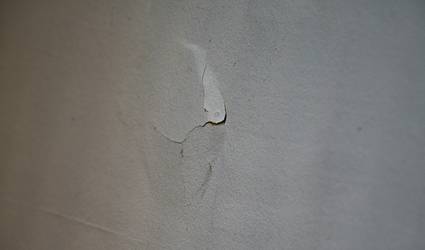
- Document everything: Take clear photos/videos of mold, water damage, source, and all affected property.
- Retain receipts: Save all receipts for repairs, remediation, and temporary housing (if needed).
- Report promptly: Notify your insurer as soon as possible—delays can void coverage.
- Submit claim: Use your insurer’s claim portal or hotline; keep a record of dates and contact names.
- Communicate carefully: Stick to facts; avoid admitting "neglect" or "long-term" issues.
- Request inspection: Allow adjuster to inspect, provide documentation, and keep your own notes.

Tip: Organize your evidence in a digital folder. If you hire a remediation professional, request a written report and before/after photos.
Common Reasons for Mold Insurance Claim Denials
Most Denied Claims Involve:
- Lack of timely repairs or "maintenance neglect"
- Evidence of long-term leaks or humidity
- Damage caused by uncovered perils (e.g., flood, groundwater)
- Failure to report promptly
- Pre-existing mold or previous claims
How to avoid denial: Keep a simple home maintenance log, fix leaks quickly, and never delay reporting water events—even if you’re unsure about coverage.
Tips to Maximize Your Mold Claim
- Keep a home maintenance log—date all repairs, inspections, and photos.
- Hire a reputable remediation professional for large jobs—ask for a written report.
- If your claim is denied or underpaid, request a written explanation and review your policy in detail.
- Consider a public adjuster (licensed, paid by percentage) for disputes or large losses.
- Don't accept the first offer—negotiate or provide additional documentation if needed.
- Track and save all communications with your insurer—email is best.
- Review your policy’s mold limits and ask your agent about additional coverage.
When to Hire a Public Adjuster or Attorney
If your claim is denied, underpaid, or involves extensive damage, it may be time to bring in outside help:
- Public Adjuster: Works for you (not the insurance company) to negotiate a better settlement. Choose a reputable, licensed professional—avoid those who demand upfront fees or make guarantees.
- Attorney: Consider legal help if your claim is denied without proper cause, or if there is a dispute over coverage wording. Always review state laws and consumer protection agencies for your rights.
Disclaimer: This guide is for informational purposes only and is not legal advice. For complex disputes, consult a qualified attorney.
Frequently Asked Questions: Mold Insurance Claims
It’s possible. Like any claim, insurers may raise your premium after a paid loss—especially if the claim is large or part of a pattern. Mold claims are often seen as a sign of ongoing risk. Maintaining your property and addressing issues quickly can help keep premiums lower in the long run.
First, request a written explanation for the denial. Review your policy for any overlooked coverage or ambiguous language. You may appeal—provide more documentation or evidence of maintenance. If you’re still unsatisfied, consider involving a public adjuster or consulting a consumer protection agency or attorney.
Renters policies may cover your personal property if the mold results from a covered peril (e.g., pipe burst), but usually do not cover the actual rental unit’s structure. Always inspect rental units for prior mold before moving in, and report issues to your landlord immediately.
Most straightforward claims are resolved in 30–60 days, but complex cases or disputes can take longer. Delays often stem from lack of documentation, disputed causes, or slow response from insurers. Staying organized and following up promptly helps speed the process.