Mold Under Flooring: Detection, Removal, and Prevention
Mold growing beneath your flooring is a hidden threat that can damage your home’s structure, lower its value, and put your health at risk. Unlike visible mold on walls, mold under flooring is often missed until it causes odors, persistent allergies, or costly repairs. This guide reveals how to spot the signs, safely remove mold under different floor types, and prevent future problems.
Why Mold Under Flooring is Different
Mold that grows beneath flooring—on the subfloor, underlayment, or padding—thrives where moisture is trapped out of sight. Unlike surface mold, it can spread undetected for months, weakening wood, causing odors, and triggering persistent health issues. Because it’s hidden, by the time you notice symptoms, the damage can be severe.
- Moisture from leaks, spills, or flooding often seeps beneath flooring and lingers.
- Carpet, laminate, and vinyl can trap moisture, making it harder for the subfloor to dry.
- Mold can grow on wood, OSB, concrete, and even under tile if the substrate is damp.
How to Detect Mold Under Different Flooring Types
Hardwood Floors
- Cupping, bulging, or warping boards
- Dark discoloration or black/green spots along seams
- Musty odors that persist even after cleaning
- Squeaky or soft spots when stepped on
Laminate Flooring
- Peeling edges or separation between planks
- Warped, swollen, or spongy areas
- Visible white, green, or black mold when lifting a plank
- Persistent dampness or sticky feel
Carpet & Padding
- Damp or musty-smelling carpet, especially after spills or leaks
- Staining or discoloration at baseboards or edges
- Allergy symptoms worsen after time in the room
- Visible black, green, or white patches under carpet or pad
Tile Floors
- Grout discoloration, especially in bathrooms, kitchens, basements
- Loose or hollow-sounding tiles
- Dark patches or stains at tile edges
- Moisture seeping through grout or at corners
Vinyl Flooring
- Bubbling, lifting, or wrinkling planks/sheets
- Persistent staining or sticky spots
- Musty odor, especially after rain or high humidity
- Edges pulling away from the wall or trim
High-Risk Scenarios: Flooded basements, bathrooms, kitchens, and any area with a history of pipe leaks or high humidity are most likely to harbor hidden mold under flooring. Use a moisture meter to check suspicious areas—readings above 16% suggest hidden moisture that can fuel mold.
Safe Removal Steps: Mold Under Flooring
Removing mold under your flooring can be a DIY project in small, contained areas—but only if you use proper precautions. For larger infestations, black mold, or compromised subfloors, professional remediation is recommended.
- Wear PPE: N95 respirator, gloves, goggles, and disposable coveralls
- Seal off the room with plastic sheeting and painter’s tape
- Remove furniture and valuables from the area
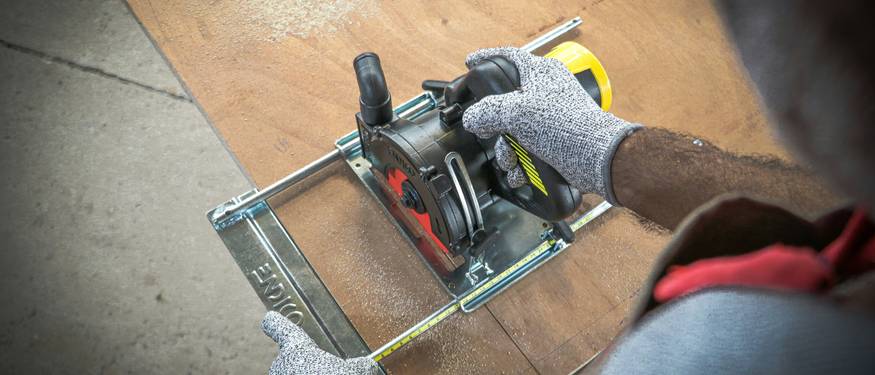
- Carefully lift a corner or section of flooring—avoid splintering or breaking
- Bag and seal moldy carpet, padding, or planks for disposal
- Clean subfloor and joists with detergent and water, then use an EPA-registered mold cleaner
- Allow area to dry fully before replacing flooring—use fans/dehumidifiers
- Dispose of all contaminated materials in double-bagged trash
Stop! High-Risk Situations: If you find black mold, more than 10 square feet of affected area, or if the subfloor is rotted or crumbling, stop and consult a professional. Improper removal can make the problem worse and put your health at risk.
Replace or Remediate? Decision Guide
Not every moldy floor needs full replacement—here’s how to decide:
- Replace if:
- Subfloor is soft, warped, or rotten
- Mold covers more than 10 sq ft
- Black mold is present (Stachybotrys or toxic species)
- Carpet/padding smells musty after cleaning
- Water damage is from sewage or flooding
- Remediate (Clean) if:
- Mold is only on the surface or under a small section
- Subfloor is dry, solid, and undamaged
- No health symptoms are present
- Area is well ventilated and can be fully dried
Prevention: Keep Flooring Mold-Free
- Fix leaks and spills immediately—never let water sit under flooring
- Use dehumidifiers in basements and humid climates
- Install moisture barriers under new flooring, especially in basements
- Keep indoor humidity below 50% (ideally 30–45%)
- Inspect floors after storms, plumbing leaks, or high humidity
- Schedule routine checks for moisture at exterior walls and around appliances
Monthly Mold Watch Checklist:
- Check for musty odors and damp spots in each room
- Inspect under sinks, around toilets, and near appliances
- Look for warping, discoloration, or soft spots on floors
- Test with a moisture meter in high-risk areas
- Review our mold inspection checklist for a full guide
For more tips, see our Mold Prevention Strategies and Identifying Mold guides.
Frequently Asked Questions: Mold Under Flooring
Yes, mold can grow under vinyl, tile, or even waterproof flooring if moisture gets trapped between the floor and subfloor. Small leaks, spills, or high humidity can seep through gaps, especially at edges or seams. Always address water issues promptly and check under suspect areas if you notice odors, staining, or soft spots.
A persistent musty odor is often the first sign of hidden mold, especially under flooring or inside walls. Try to pinpoint the area by sniffing near baseboards and corners. Use a moisture meter to check for hidden dampness. If you still can’t locate the source, consider lifting a small section of flooring or calling a professional for further inspection.
Small areas (less than 10 sq ft) may be safe for DIY removal if you wear proper PPE, isolate the area, and dispose of debris carefully. However, if you find black mold, extensive damage, or have health conditions (allergies, asthma), call a professional. Improper removal can release spores and make the problem worse. Read more about DIY vs professional remediation.