Best Car Dehumidifiers: Prevent Mold and Moisture in Vehicles
Moisture inside your car can quickly lead to musty odors, mold growth, interior damage, and health issues. This guide covers the best car dehumidifiers—how they work, which kind to choose, and proven tips to keep your vehicle dry and mold-free. Whether you park outdoors, commute daily, or store your car for long periods, these practical strategies will help you stop moisture before it becomes a problem.
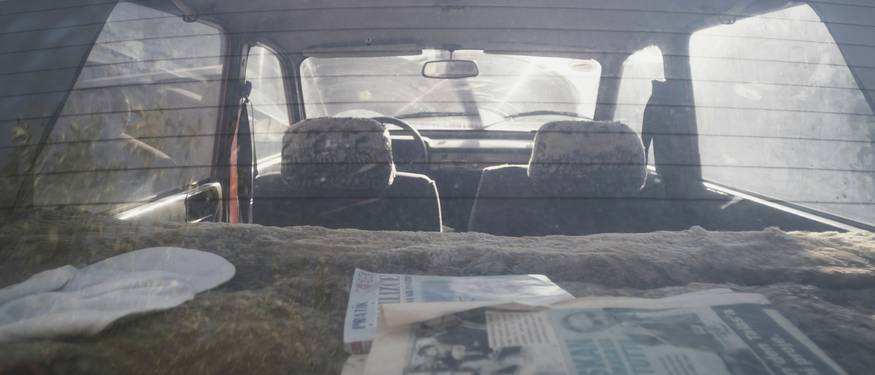
Why Dehumidifiers Matter in Cars
Cars are closed environments that easily trap humidity—from wet shoes, rainy weather, or simply being parked outside. High humidity can cause:
Top Risks of Car Moisture:
- Mold and mildew growth on seats, carpets, and trunk areas
- Stubborn, musty odors that are hard to remove
- Foggy windows, impaired visibility, and unsafe driving
- Damage to electronics, sensors, or upholstery
- Potential health risks for drivers and passengers
Even a single spill or a night of condensation can create the perfect breeding ground for mold. Dehumidifiers help keep your car interior dry, protect your investment, and ensure a healthy environment.
Types of Car Dehumidifiers: Pros, Cons & Best Uses
Desiccant Bags
- Contain moisture-absorbing materials (like silica gel or calcium chloride)
- Simple, mess-free, and require no power
- Best for parked cars, infrequent drivers, or storage
Pros: Affordable, reusable (some types), no electricity needed
Cons: Need periodic drying or replacement
Cons: Need periodic drying or replacement
Electric Dehumidifiers
- Plug into 12V outlet (cigarette lighter) or USB
- Continuously remove moisture—good for daily drivers or wet climates
- Some have auto-shutoff and indicator lights
Pros: High capacity, low maintenance
Cons: Require power, usually higher initial cost
Cons: Require power, usually higher initial cost
Mini/Rechargeable Units
- Small, portable dehumidifiers often recharged via wall outlet
- Ideal for small and mid-size vehicles or as a backup
- Can be dried and reused many times
Pros: Rechargeable, portable, eco-friendly
Cons: Limited moisture capacity, need regular recharging
Cons: Limited moisture capacity, need regular recharging
| Type | Best For | Pros | Cons | Price Range |
|---|---|---|---|---|
| Desiccant Bags | Stored cars, backup for daily use | Low cost, no power, reusable | Needs re-drying, lower capacity | $8–$25 (per bag/set) |
| Electric Dehumidifiers | Humid climates, frequent drivers | High moisture removal, set-and-forget | Needs 12V/USB, higher cost | $25–$65 |
| Mini/Rechargable | Small/medium cars, spot use | Rechargeable, portable, eco-friendly | Lower capacity, must recharge | $15–$40 |
Tips for Effective Car Dehumidifier Use
- Place dehumidifier bags on the dashboard, under seats, and in the trunk for maximum coverage
- For large SUVs or vans, use multiple smaller bags or one electric unit
- Recharge or replace desiccant bags monthly—or more often in rainy/snowy seasons
- Empty water tanks on electric units regularly; follow manufacturer instructions
- Monitor humidity using a small digital hygrometer—aim for below 60% RH
- After spills, leaks, or high humidity, air out the car with windows open and run AC on high
Quick Tip: In colder climates, extra moisture can quickly turn to condensation on glass and hidden mold under carpets. Always check floor mats and trunk after rain or snow.
Maintenance and Mold Prevention: Keep Your Car Dry
Keeping both your car and your dehumidifier in top shape is the best way to prevent mold and odors:
- Routinely inspect for water leaks (windows, sunroof, trunk seals, AC drains)
- Wash and vacuum floor mats; dry thoroughly after cleaning or wet weather
- Recharge or replace desiccant bags as soon as they feel saturated
- Clean electric unit tanks and filters monthly to prevent bacteria buildup
- Store your car in a garage, or use a car cover that allows ventilation
Monthly Car Mold Prevention Checklist:
- Check and dry all floor mats and carpets
- Inspect seals and weatherstripping for leaks
- Wipe down windows and dashboard
- Recharge/replace dehumidifier bags
- Run AC/heat with windows open to ventilate
Related Guides:
- Car Mold Removal Guide – Step-by-step cleaning and remediation for vehicles.
- Mold Prevention Strategies – Keep your car, home, and belongings safe from mold.
- Complete Mold Remediation Guide – Full process for homes, cars, and more.
Frequently Asked Questions: Car Dehumidifiers & Mold Prevention
Large home dehumidifiers are not recommended for cars—they are bulky, require high voltage, and can tip over. Instead, use car-specific electric dehumidifiers (12V/USB) or desiccant bags designed for auto use. These options are portable, safe, and effective for the size of most vehicles.
If you notice foggy windows, musty odors, damp carpets, or visible moisture after rain or snow, your car likely has excess humidity. A digital hygrometer can measure interior humidity—anything above 60% is a risk for mold. Regular use of a dehumidifier prevents these issues before they start.
Blot up excess water immediately with towels. Remove floor mats and, if possible, carpets to dry outside in the sun. Use a portable wet/dry vacuum for deep moisture. Place desiccant bags or an electric dehumidifier inside the car, leave windows slightly cracked (if safe), and run the AC or heat on high to ventilate. Check for hidden dampness under seats and in the trunk. If a musty odor persists, see our Car Mold Removal Guide for more thorough steps.