Mold Remediation Products: Best Cleaners, Tools & PPE (Guide)
Types of Mold Remediation Products
Mold Cleaners & Sprays
Mold cleaners come in many forms: surface sprays, root-penetrating solutions, and specialty stain removers. Not all are created equal—some only kill surface mold while others penetrate porous materials to eliminate roots.
- Surface Cleaners: Best for tile, sealed wood, glass, and other non-porous surfaces.
- Root-Penetrating Cleaners: Designed for drywall, unfinished wood, or fabrics. Check label for suitability.
- Stain Removers: Remove visible discoloration after killing mold, but may not kill spores themselves.
Tip: Always test products on a small spot first and never use bleach on porous materials—it doesn't penetrate and may worsen mold problems.
Anti-Microbial Agents
Anti-microbial sprays and solutions help prevent mold regrowth after cleaning. Some leave a residual barrier that continues protecting surfaces for weeks.
- Residual Agents: Remain on surfaces to inhibit future growth (great for HVAC, attics, basements).
- Non-Residual: Kill mold on contact but offer no ongoing protection.
When to Use: After cleaning visible mold, before repainting or replacing materials.
Mold-Resistant Paints & Sealants
Mold-resistant primers, paints, and caulks add extra defense—especially in bathrooms, kitchens, attics, and basements. These are not substitutes for cleaning, but help prevent new growth.
- Primers: Use after cleaning and drying, before painting.
- Paints: Great for bathrooms, kitchens, laundry rooms, and basements.
- Sealants/Caulks: For sealing gaps in high-moisture areas.
Note: Only apply to clean, dry, mold-free surfaces.
HEPA Vacuums & Air Scrubbers
HEPA (High-Efficiency Particulate Air) vacuums and air scrubbers are essential for capturing mold spores during and after remediation. Only true HEPA filters (99.97% efficiency at 0.3 microns) are effective.
- Use HEPA vacuums on carpets, upholstery, and after removing moldy drywall or insulation.
- Air scrubbers are vital for large jobs—especially when removing drywall, flooring, or insulation.
Change filters as recommended by the manufacturer for continued effectiveness.
PPE & Safety Gear
- Respirators: N95 minimum for small jobs, half- or full-face respirators for major work.
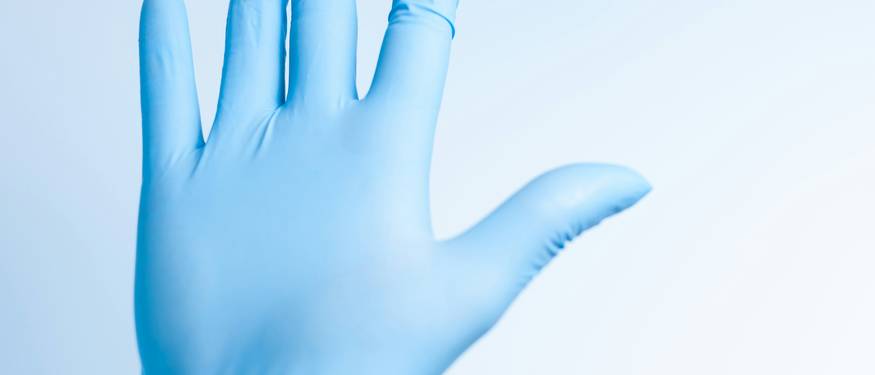
- Gloves: Nitrile or rubber, disposable preferred.
- Goggles: Non-vented to prevent spore exposure.
- Coveralls: Disposable suits for large jobs or if crawling through attics/basements.
Choose PPE based on job size and ventilation. When in doubt, use higher protection.
Remediation Tools
- Scrub Brushes: For cleaning surfaces (use disposable or clean thoroughly after use).
- Scrapers: For removing moldy caulk, paint, or wall material.
- Foggers: Used to apply anti-microbial agents in large or hard-to-reach spaces (attics, crawl spaces).
- Moisture Meters: For confirming surfaces are dry before finishing.
Tip: Always follow product instructions and use tools suited for the material (e.g., soft brush for painted surfaces, stiffer for tile or masonry).
Comparison Table: Mold Remediation Product Types
| Product Type | Best Uses | Pros | Cons/Safety Notes |
|---|---|---|---|
| Mold Cleaner (Surface) | Tile, glass, sealed wood, non-porous walls | Easy to use, fast action | May not penetrate deep or kill all spores |
| Root-Penetrating Cleaner | Drywall, unsealed wood, fabrics, carpet | Gets deep into material | Some products leave residue; not all are safe for every surface |
| Anti-Microbial Agent | After cleaning, prevention in attics, HVAC, basements | Residual protection, stops regrowth | Some are not for indoor use; always ventilate |
| Mold-Resistant Paint/Sealant | Bathrooms, kitchens, basements, attics | Long-term barrier, easy to apply | Must be used on clean, dry surfaces; does not replace cleaning |
| HEPA Vacuum | Carpets, upholstery, post-demo cleanup | Removes spores, dust, debris | Filters must be changed regularly; not a substitute for cleaning |
| PPE (Respirator, Gloves, Goggles) | All remediation tasks | Protects health, affordable | Must be worn correctly and consistently |
| Fogger | Large spaces, crawlspaces, attics | Even application, covers hard-to-reach areas | Requires special precautions—ventilation, PPE, follow label |
| Bleach | Non-porous surfaces only | Readily available, disinfects | Not for porous materials, can create toxic fumes if mixed |
How to Choose the Best Mold Remediation Products
- Identify surface type: Non-porous (tile, metal, glass) vs. porous (drywall, wood, carpet).
- Match product to infestation: Small, surface mold vs. deep, widespread colonies.
- Check for sensitivities: Use low-VOC/natural products if you have allergies or pets.
- Prioritize safety: Always use PPE, ventilate, and never mix chemicals (especially bleach and ammonia).
- Consider professional help: For infestations over 10 sq. ft., hidden mold, or if health symptoms persist.
When in doubt, read product reviews, check for EPA registration or recommendations, and consult our Mold Remediation Steps guide.
Never mix bleach with ammonia or other products—this creates toxic fumes. Always follow all product labels and safety instructions.