Kitchen Mold Remediation: How to Remove and Prevent Mold in Kitchens
Kitchens are especially vulnerable to mold due to frequent moisture, leaks, and organic debris. Mold can grow under sinks, behind refrigerators, inside cabinets, and around windows—posing health risks and damaging your home. This guide walks you through inspecting, cleaning, and preventing kitchen mold, including step-by-step checklists and pro tips for safe DIY removal.
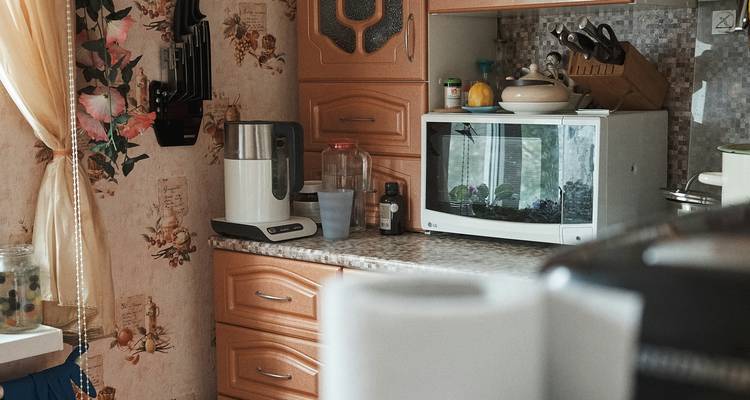
Inspecting for Mold in the Kitchen
Mold often hides in overlooked kitchen spots. Use this checklist to systematically inspect:
- Under the sink: Check for leaks, stains, and soft or warped cabinet wood.
- Behind and beneath appliances: Pull out the refrigerator, dishwasher, and stove to inspect walls and floors for visible mold or musty odors.
- Inside cabinets and pantry corners: Look for discoloration, black or green spots, or a persistent earthy smell.
- Around windows and sills: Condensation and poor seals can lead to mold—inspect caulk and wood for dark patches.
- Ceiling and upper wall corners: Especially under or near vent hoods or exterior walls.
Tip: Not sure if it's mold or just dirt? Mold usually comes with a musty smell and stains are often fuzzy, slimy, or spread with moisture. Learn more about mold identification.
Document your findings with photos and notes—this helps track progress and is useful for insurance claims.
How to Clean and Remove Kitchen Mold
Follow these DIY steps for safe and effective kitchen mold removal:
- Wear protective gear: Gloves, N95 mask or respirator, and goggles are essential.
- Ventilate: Open windows, run exhaust fans, and keep doors to other rooms closed.
- Remove loose debris: Take out any trash, old food, or absorbent materials that may harbor spores.
- Scrub hard surfaces: Use a solution of soap and water, then a kitchen-safe disinfectant (see table below for best cleaners by surface).
- For porous materials: If cabinets or drywall are deeply stained or soft, removal and replacement may be necessary.
- Rinse and dry: After cleaning, dry the area thoroughly with fans or dehumidifiers.
- Dispose safely: Double-bag any contaminated debris before removal from your home.
| Surface | Recommended Cleaner | Notes |
|---|---|---|
| Tile, sealed stone | Soap & water, white vinegar, hydrogen peroxide | Rinse thoroughly; avoid mixing chemicals. |
| Wood cabinets | Mild detergent, vinegar (diluted), borax | Avoid soaking; dry quickly to prevent warping. |
| Caulk/grout | Hydrogen peroxide, baking soda paste | Replace if deeply stained or deteriorated. |
| Metal (sink, appliances) | Soap & water, vinegar | Dry to avoid rust. |
Pro Tip: Never use bleach on natural stone, wood, or metal—it can damage these surfaces and is less effective on porous materials. For widespread mold (over 10 sq. ft.), or if you suspect HVAC involvement, consider calling a professional.
- Don’t forget hidden areas: garbage disposals, vent hoods, drip trays, and behind kickplates.
- After cleaning, check for recurring moisture—address leaks or condensation immediately.
Preventing Mold in the Kitchen
Consistent maintenance and moisture control are your best defenses. Use this prevention checklist:
- Fix leaks immediately: Check under sinks, around faucets, and behind appliances monthly.
- Improve ventilation: Run exhaust fans while cooking and after cleaning; open windows when weather allows.
- Wipe spills and condensation: Dry surfaces promptly, especially windowsills and countertops.
- Clean refrigerator drip pans: Empty and dry regularly to prevent hidden mold.
- Seal grout and caulk: Replace deteriorated seals in sinks and backsplashes to keep water out of cracks.
- Declutter cabinets: Air circulation prevents mold in dark, crowded cabinets.
- Monitor humidity: Keep kitchen humidity below 50%. Use a hygrometer or dehumidifier if needed.
Simple Upgrades: Install splash guards, water leak detectors, and use water-resistant shelf liners. See more kitchen prevention strategies.
Frequently Asked Questions: Kitchen Mold
Yes. Mold behind cabinets can release spores into your kitchen air, aggravate allergies and asthma, and lead to structural damage. It often indicates a hidden leak or chronic moisture problem. If you discover mold here—especially if it's extensive or you can't fully access the area—consult a professional for safe removal. Learn about safe removal.
Absolutely. Mold can grow in refrigerator drip pans, seals, dishwashers, washing machines, and even inside coffee makers—anywhere moisture lingers. Wipe down seals, clean filters, and regularly dry trays and compartments. If odor or visible mold persists after cleaning, deeper disassembly or replacement may be necessary. See more on spotting hidden mold.
Signs include persistent musty odors, unexplained stains or bubbling paint on cabinets or walls, warped wood, and recurring condensation. Mold often hides behind cabinets, under flooring, and inside walls near plumbing. If you suspect hidden mold, use a moisture meter or contact a specialist for professional inspection. Learn more about hidden mold.
Related Resources:
- Home Mold Remediation – Full guide to step-by-step mold removal in all home areas.
- Identifying Mold – How to spot mold in kitchens and beyond.
- Prevention Strategies – Tips for keeping your kitchen and home mold-free.