Mold in Apartments: Tenant and Landlord Remediation Guide
Mold in apartments is a unique challenge affecting both tenants and landlords. Shared walls, centralized HVAC, and varying maintenance standards can allow mold to spread quickly and quietly. This guide covers common causes, how to spot mold, who is responsible for remediation, safe removal steps, legal considerations, and practical prevention tips—all tailored for rental scenarios.
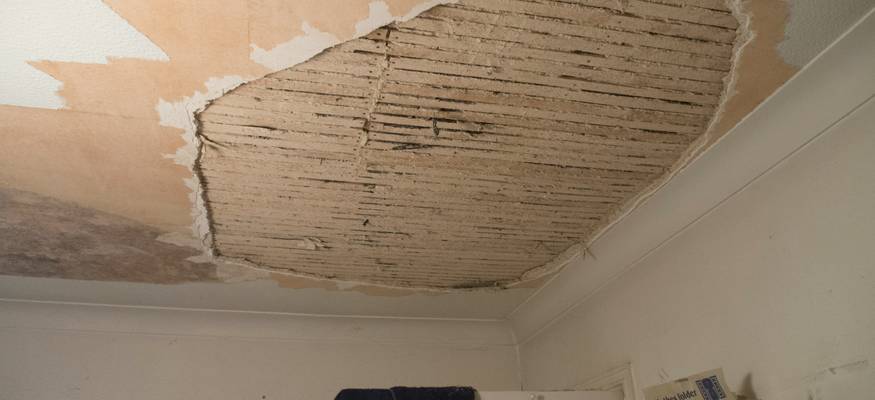
Common Causes of Mold in Apartments
- Leaky pipes or plumbing (especially in kitchens, bathrooms, shared risers)
- Poor ventilation in bathrooms, laundry rooms, or closets
- Roof leaks or window leaks above upper floor apartments
- Shared HVAC systems spreading moisture or spores
- Flooding from neighboring units or common areas
- High indoor humidity (above 50%)
Signs of Mold in Your Apartment
- Musty or earthy odors
- Visible spots (black, green, white, or orange) on ceilings, walls, or windows
- Bubbling paint, warped drywall, or water stains
- Condensation on windows or cold walls
- Unexplained allergies or respiratory symptoms indoors
| Cause | Who Is Usually Responsible? |
|---|---|
| Leaky plumbing within your unit | Tenant (if caused by misuse); Landlord (if maintenance issue) |
| Leaky pipes in walls/shared plumbing | Landlord/property management |
| HVAC or building-wide ventilation failure | Landlord/property management |
| Window/roof leaks | Landlord/property management |
| Humidity from tenant’s activity (showers, drying clothes) | Tenant (should use ventilation) |
Tenant and Landlord Responsibilities
What Tenants Should Do
- Report leaks, water damage, or mold in writing to your landlord promptly
- Allow access for inspections/repairs
- Keep apartment well-ventilated and clean
- Document all communications (emails, photos, dates)
- Follow lease requirements for reporting issues
Landlord’s Responsibilities
- Address water leaks and mold complaints quickly
- Provide safe, habitable living conditions
- Arrange for professional remediation if mold is widespread or structural
- Communicate remediation plans clearly to tenants
- Document all repairs and inspections
What to Document: Keep a record of all photos, repair requests, inspection reports, and written communications about mold or water issues. This helps protect your rights and ensures clear next steps if problems persist.
Safe Mold Removal in Apartments
For Small Areas (<10 sq. ft.):
- Wear gloves, N95 mask, and goggles
- Isolate the area (close doors, cover vents)
- Clean non-porous surfaces with detergent and water
- Bag and dispose of contaminated materials (carpet, drywall) in sealed plastic bags
- Ventilate apartment well during and after cleaning
- Do not attempt DIY removal
- Notify landlord/property management in writing
- Request professional evaluation/remediation
- Consider seeking outside advice if repairs are delayed
DIY vs Professional Removal
| Situation | Best Approach |
|---|---|
| Small patch (<10 sq. ft.), easy access | DIY, follow safety steps |
| Multiple rooms, HVAC, or recurring mold | Hire professionals |
| Mold due to flooding or sewage | Professional only |
Avoid These Common Mistakes:
- Painting over mold (traps moisture and leads to regrowth)
- Ignoring musty odors or hidden leaks
- Delaying notification to landlord or property manager
Legal Considerations (Not Legal Advice)
Basic Tenant Rights and Landlord Obligations
- Most states require landlords to provide a safe, habitable environment—this usually includes addressing mold promptly.
- Tenants must report problems quickly and provide access for remediation.
- Always use written communication for notices and requests.
- If your health or belongings are affected, keep all documentation (photos, emails).
- For unresolved issues, contact your local housing authority or health department.
Did You Know? In many states, tenants may have the right to withhold rent or terminate a lease if the landlord fails to remedy serious mold or water damage—but always seek local legal advice before taking action.
This section provides general information only and is not legal advice. For specific legal guidance, consult local tenant resources or an attorney.
Apartment Mold Prevention Tips
- Promptly report and fix all leaks (plumbing, roof, windows)
- Ventilate bathrooms and kitchens during and after use
- Keep humidity below 50% using dehumidifiers or AC
- Regularly inspect hidden areas: behind furniture, closets, under sinks
- Clean up spills and condensation quickly
- Ensure dryer vents and exhaust fans work properly
Top 5 Ways to Prevent Mold in Apartments
- Fix leaks fast
- Ventilate after cooking/bathing
- Keep humidity low
- Dry wet surfaces immediately
- Inspect regularly
Frequently Asked Questions: Apartment Mold
Responsibility usually depends on the cause. If mold is due to building maintenance issues (leaks in roof, walls, pipes, HVAC), landlords are responsible. If caused by tenant behavior (not ventilating, not reporting leaks), responsibility may fall on the tenant. Always document issues and communicate in writing. See our Professional vs DIY guide for more.
In some states, tenants may have the right to withhold rent or terminate a lease if the landlord fails to address serious mold problems. However, laws vary widely—always check local tenant laws and give written notice of the problem. Document everything, and consult a local legal resource before withholding rent. For general mold remediation steps, see our home remediation guide.
Mold can spread through shared walls, ceilings, and HVAC systems. If you suspect your neighbor’s mold is affecting your unit, notify your landlord in writing with evidence. The landlord is responsible for addressing inter-unit issues. If not resolved, contact your local health department or housing authority. For more on identifying sources, see Identifying Mold.